
OVERVIEW
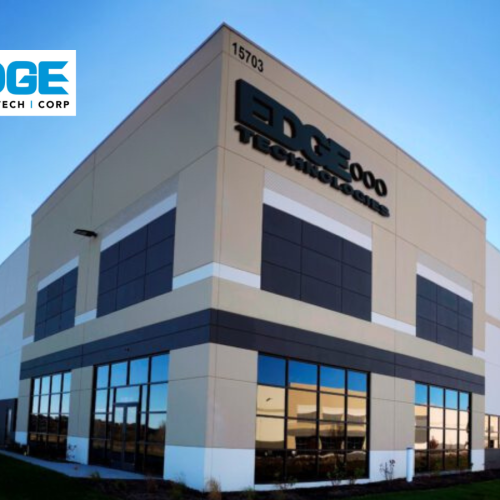
EDGE Tech Corp. a 43,000-square-foot electronics manufacturing and distribution facility in Ada, Oklahoma, installed Save Energy Systems’ Demand Limiting Controller (DLC) across seven HVAC units in June 2011, the timing could not have been a tougher test. That summer became the hottest on record in Oklahoma. Yet even under extreme cooling demand, the facility reduced both energy use and demand charges across nearly the entire study period.
Challenge
With extreme summer temperatures driving up cooling demand, EDGE needed a way to reduce HVAC-related energy use and demand charges without compromising comfort or operations. The key challenge was proving that any savings achieved were real and not simply the result of milder weather, compared 2011 performance against 2010 and used Cooling Degree Day normalization to validate results.
Solution
Save Energy Systems deployed its DLC technology to help EDGE better control HVAC demand and reduce unnecessary energy consumption without disrupting facility operations. The installation targeted multiple high-use areas throughout the building, allowing the system to manage cooling performance across critical spaces while reducing peak electrical demand.
Results
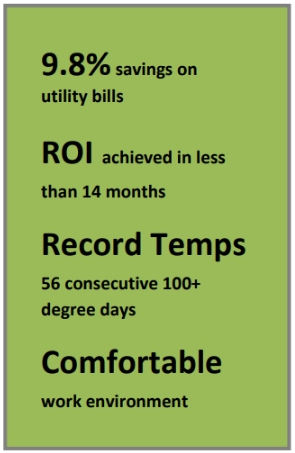
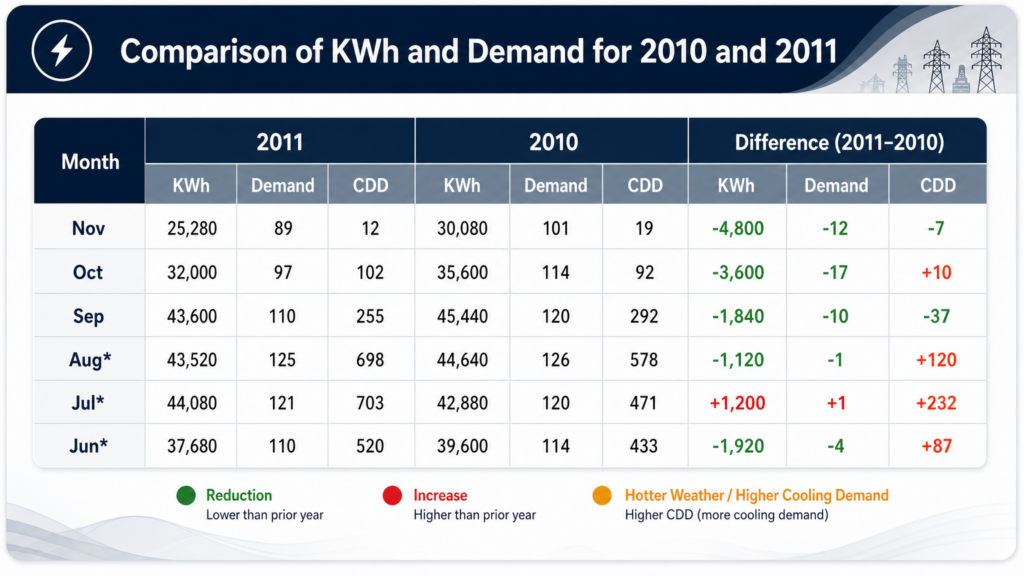
Despite extreme summer temperatures, EDGE recorded lower kilowatt-hour consumption in five of the six months measured from June through November 2011 compared with the same period in 2010. Demand charges also declined in five of the six months analyzed, demonstrating that the DLC improved both consumption and peak-demand performance. July was the only month that showed a slight increase, even as cooling requirements rose sharply.
How the Savings Were Validated
What sets Save Energy Systems (SES) apart is its commitment to delivering measurable, data-backed results. Rather than relying solely on utility bill comparisons, SES utilized a weather-normalized analysis to validate performance. Historical energy consumption was adjusted using Cooling Degree Days to establish a baseline that estimated what EDGE’s energy costs would have been without the DLC solution in place. By accounting for the unusually high temperatures experienced during the evaluation period, SES was able to provide a more accurate representation of energy savings, proving that the reductions were the result of intelligent control strategies and operational efficiencies not simply changes in weather conditions.
Why It Matters
Many energy-saving claims look strong during mild operating conditions. EDGE’s results are more compelling because they were achieved during one of the most demanding cooling seasons possible
AI-Driven Energy & Facility Management Systems
Be smart. Take control.
Contact us at (617) 564-4800 or sales@saveenergysystems.com
