
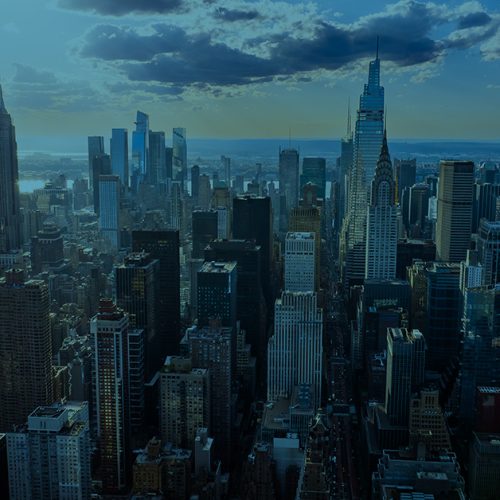
On March 18 and 19, the team from Save Energy Systems (SES) will be attending New York Build 2026, one of the largest gatherings of construction, real estate, and building professionals in New York City.
For many building owners and facility managers across the city right now, the conversation often leads to the same topic. Local Law 97.
Penalties have begun. Emissions limits tighten again in 2030. Many operators are trying to figure out how to improve building performance without turning their property into a multi-year capital project.
That is the conversation SES is bringing to the show.
What Is New York Build?
New York Build is one of the largest construction and real estate industry events in the region. It brings together developers, building owners, engineers, facility managers, and building technology providers to discuss the future of buildings in New York.
For SES, it is also an opportunity to speak directly with the people managing buildings every day. The professionals balancing energy costs, tenant comfort, maintenance realities, and now LL97 compliance requirements.
The Reality of Aging Buildings in New York
New York has one of the oldest building stocks in the country.
Many commercial buildings in the city were built decades ago. Their HVAC systems have often been upgraded, modified, and expanded over time. Different control systems may have been installed by different vendors. Equipment may still function well, but the way it operates may no longer reflect how the building is actually used.
This is where inefficiencies begin.
Schedules may no longer match occupancy patterns. HVAC systems may run overnight or during weekends. Minor faults can go unnoticed while energy use slowly increases.
Over time these inefficiencies add up in energy costs, maintenance strain, and emissions.
HVAC is usually where the waste starts.
In many buildings, improving how systems operate can reduce HVAC energy use by 20 to 30 percent without replacing equipment.
For buildings facing LL97 requirements, those operational improvements can play an important role in reducing emissions exposure.
A Practical Approach for Existing Buildings
Many building teams assume the first step toward LL97 compliance is equipment replacement.
In reality, the first step is often understanding how systems are operating today.
Save Energy Systems (SES) works with building owners and facility teams to improve HVAC performance by adding intelligence to existing systems rather than replacing them.
The platform uses wireless sensors and monitoring to give operators visibility into temperature, occupancy, humidity, energy use, and system performance across the building.
SES is also BMS agnostic, which is an important advantage for many commercial properties. Buildings often operate with a mix of building automation systems from different manufacturers. SES works with those existing systems rather than requiring owners to replace them.
This allows facility teams to improve performance while keeping their existing infrastructure and vendors in place.
Because the system is designed for retrofits, installation can happen quickly with minimal disruption. Once operational visibility improves, buildings can begin identifying waste and improving HVAC performance.
Many properties see measurable savings in the first few months, with typical HVAC reductions in the 15 to 30 percent range.
Extending the Life of Existing Equipment
Another important benefit for aging buildings is maintenance visibility.
Predictive maintenance tools such as SmartPM help identify system issues earlier, which can reduce emergency service calls and extend the life of existing equipment.
In many cases, building teams see:
• fewer emergency maintenance calls
• lower maintenance spending
• longer equipment life cycles
This matters for facilities trying to balance LL97 requirements with capital planning.
Extending equipment life while improving efficiency can give owners more flexibility in how they approach future upgrades.
A ManhattanBuilding Example
One example comes from a 180,000 square foot commercial property.
After deploying sensors and optimizing HVAC operation, the building achieved a 31 percent reduction in HVAC related energy use while maintaining tenant comfort and avoiding equipment replacement.
Results vary by building, but the example highlights an important point.
Meaningful improvements often begin with optimizing existing systems before replacing them.
Let’s Talk Buildings at New York Build
Events like New York Build bring together thousands of professionals who deal with these challenges every day. Building owners, asset managers, engineers, and facility directors all face the same pressures to control costs while meeting new performance standards.
If you are attending the show, stop by and talk with us about your building.
During the event SES will also offer complimentary building reviews. These conversations look at HVAC operation, identify energy waste, and explore where optimization may help reduce emissions exposure.
Sometimes the biggest improvements begin with simply understanding how a building is running today.
Learn More About Local Law 97
If you want a deeper look at how LL97 works and how building performance standards are expanding nationwide, explore these resources.
Local Law 97 compliance and building performance standards
Local Law 97 and building performance standards across the United States
These resources explain how emissions limits work and how building teams can begin improving performance today.
AI-driven energy and facility management systems.
Be smart. Take control.
Contact us at (617) 564-4800 or sales@saveenergysystems.com
